

Bringing inclusion to life in the classroom
Discover practical strategies and real-world examples that demonstrate effective collaboration, co-teaching, and consultation in action. Learn how these best practices create truly inclusive learning environments for all students.

Best practices for inclusive teaching
Effective inclusion is built on foundational practices that foster collaboration and targeted support. These strategies ensure that every student thrives in the general education classroom.
- Shared planning time: Teachers meet regularly to plan lessons, accommodations, and supports, improving consistency and reducing stress.
- Clear co-teaching roles: Teachers decide who leads instruction, who supports, and how responsibilities are shared, which prevents confusion.
- Use co-teaching models intentionally: Choose the model based on the lesson goal; co-teaching models increase flexibility. (See the six co-teaching models)
- Consistent communication: Teachers communicate daily about student progress, behavior, and needed adjustments, keeping support aligned.
- Data-based decision making: Teachers use formative assessments, observations, and IEP goals to guide instruction, ensuring targeted support.
- Strengths-based mindset: Teachers focus on what students can do, not what they struggle with, which builds confidence.
- Family involvement: Families share insights about their child.


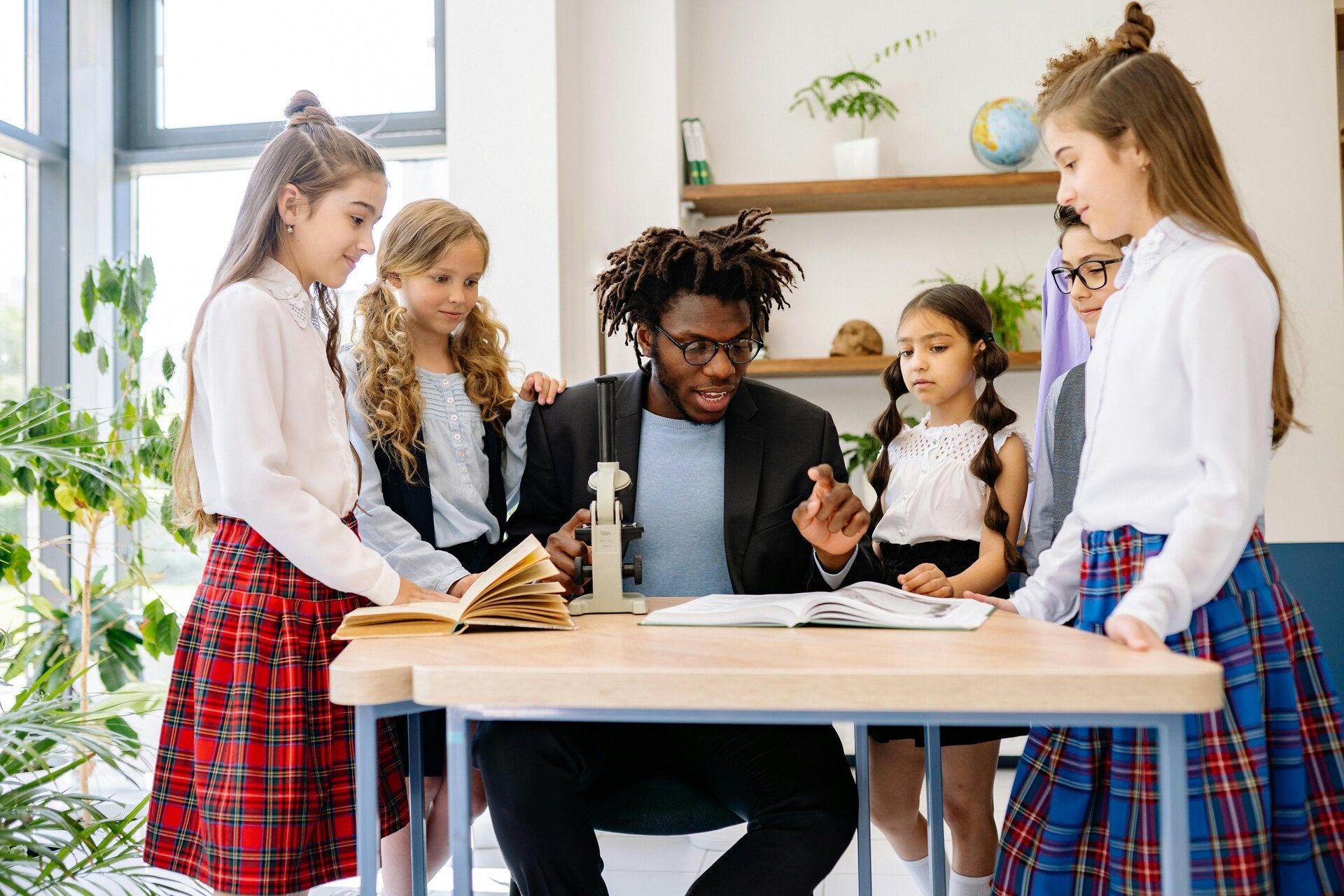
Real classroom examples in action
See how these practices come alive in diverse classroom settings. These examples offer tangible ways to integrate inclusive strategies into your daily teaching, benefiting all learners immediately.
Reading example:
Parallel teaching: Two teachers split the class into groups based on reading level. One group works on decoding skills while the other works on comprehension. This supports students with dyslexia, ADHD, and language delays.
Math example:
Station teaching: Students rotate through stations, including manipulatives, visual models, word problems, and a teacher-led small group. This supports students with processing challenges or IEP math goals.

Science example:
Team teaching: Both teachers lead a lab together. One manages safety and materials; the other supports students needing accommodations. This helps students with sensory or motor needs.
Writing example:
Consultation with OT: The occupational therapist recommends pencil grips, typing options, or graphic organizers. The general educator uses these tools during writing workshop.
Behavior example:
Consultation with counselor: The counselor helps create a self-regulation plan with breaks, visuals, and calming strategies. Teachers
Consultation and support
Universal Design for Learning (UDL)
UDL is a framework that complements all collaborative approaches by designing instruction that is accessible from the start. UDL provides multiple means of representation (how content is presented), multiple means of action and expression (how students demonstrate learning), and multiple means of engagement (how students are motivated and challenged). When co-teachers integrate UDL principles, they create lessons that benefit all students-those with disabilities, ESOL learners, and their peers—reducing the need for individual retrofitting and building a more inclusive classroom culture.